The Science Behind Successful Motivational Speaking Sessions
DA
Understanding the Psychology of Motivation
Motivational speaking is not just about delivering an inspiring speech; it's about understanding the psychology that drives human behavior. Successful motivational speakers tap into this psychology by addressing the needs and desires of their audience. Human motivation is often rooted in fundamental psychological theories, such as Maslow's Hierarchy of Needs, which suggests that people are motivated by the desire to fulfill basic and higher-level needs.
By addressing these needs, motivational speakers can connect with their audience on a deeper level. For instance, discussing personal growth and self-actualization can resonate with individuals seeking to improve their lives. Understanding these psychological principles allows speakers to craft messages that truly inspire and motivate.
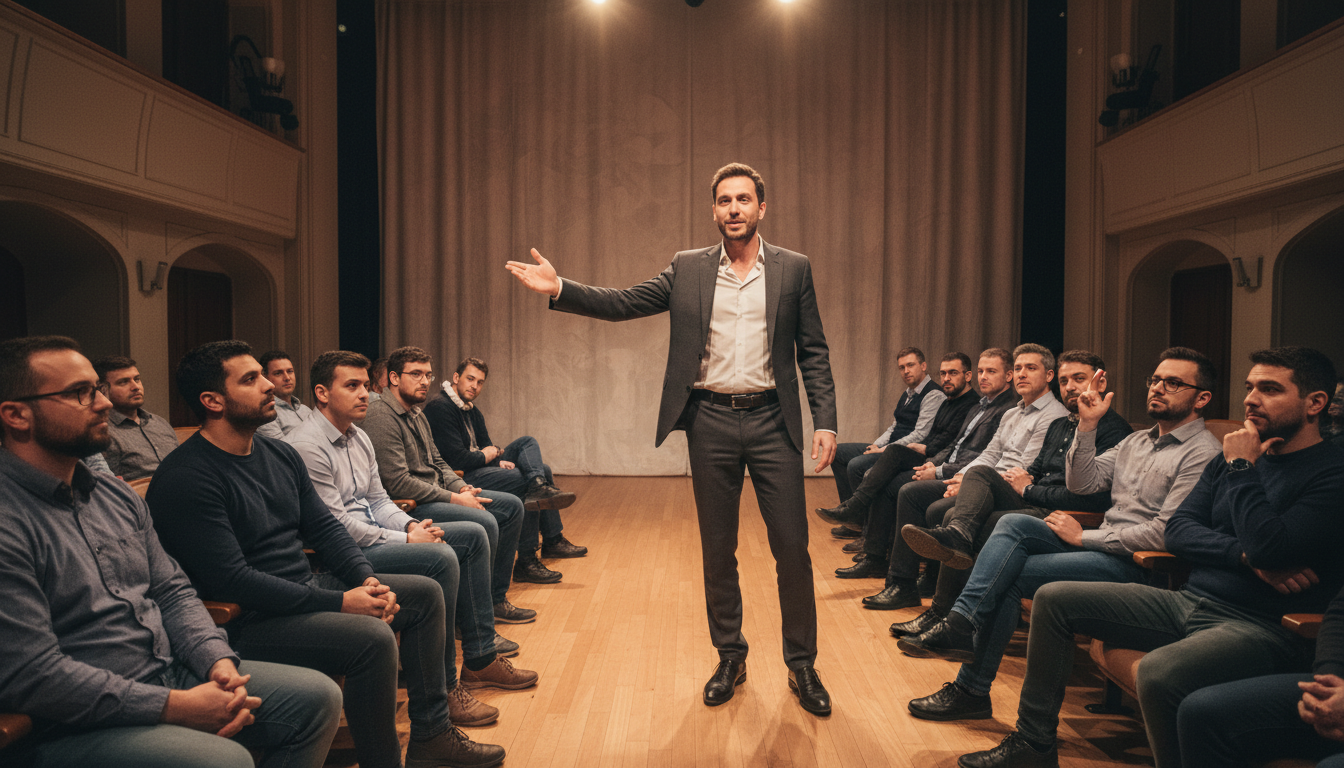
The Role of Emotional Intelligence
Emotional intelligence plays a crucial role in effective motivational speaking. It involves the ability to understand and manage one's own emotions, as well as empathize with others. Speakers with high emotional intelligence can read the room, adapt their message, and connect emotionally with their audience. This connection fosters trust and makes the message more relatable.
Furthermore, emotional intelligence helps speakers handle unexpected situations or questions from the audience. It enables them to maintain composure and deliver a message that resonates, even in challenging circumstances. This adaptability is key to ensuring the success of a motivational speaking session.

Crafting a Compelling Narrative
A powerful narrative is at the heart of every successful motivational speaking session. Stories captivate audiences, making complex ideas more accessible and memorable. A well-crafted narrative engages listeners, allowing them to see themselves in the story and drawing them in emotionally.
To create a compelling narrative, speakers should focus on a clear structure: a beginning that captures attention, a middle that delves into the core message, and an end that leaves a lasting impact. Incorporating personal anecdotes and real-life examples adds authenticity and relatability to the story.

Engaging the Audience
Engagement is essential for any motivational speaking session. Successful speakers use a variety of techniques to keep their audience involved and attentive. This can include asking questions, encouraging participation, or using humor to break the ice. Interaction fosters a sense of involvement, making the audience feel like an integral part of the session.
Moreover, utilizing multimedia elements such as visuals or videos can enhance engagement. These tools help illustrate key points and cater to different learning styles, ensuring that the message reaches a broader audience effectively.
The Impact of Body Language and Voice
Non-verbal communication, such as body language and tone of voice, significantly impacts the effectiveness of a motivational speech. Confident body language, including gestures and posture, conveys authority and credibility. Meanwhile, varying tone and pace can emphasize key points and keep the audience's attention.
Speakers who master these non-verbal cues can deliver their message with greater impact. By aligning their verbal and non-verbal communication, they ensure that their message is both heard and felt, creating a more powerful and memorable experience for the audience.